|
|

|
|


|

|


|
|


|
|

|
|
|
|
|
|
|
|
|
|
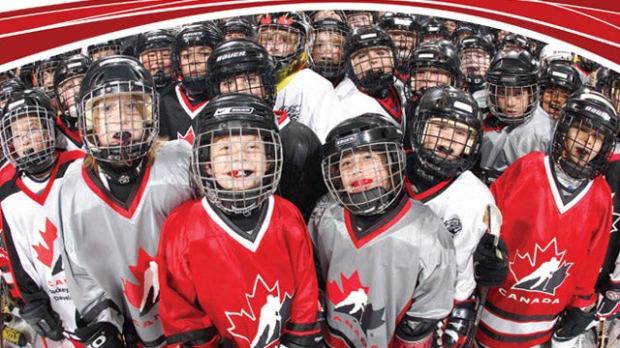
Welcome to the first installment of our three-part blog series, where we explore the foundations of hockey success through the Hockey Canada Long-Term Player Development (LTPD) model. In this post, we’ll dive into a fundamental principle that sets the stage for excellence in hockey: becoming an athlete first.
Hockey Canada LTPD Model: Before we begin, let’s introduce you to the Hockey Canada Long-Term Player Development model (LTPD). This comprehensive framework serves as a roadmap for nurturing hockey talent from the grassroots to the elite level. It emphasizes a player-centric approach, recognizing that every player’s journey is unique.
Developing Athletes before Hockey Players: The cornerstone of the LTPD model is the belief that athletes must be developed before they can truly become hockey players. In other words, the focus should initially be on building a well-rounded athlete rather than rushing into hockey-specific skills and drills.
Physical Literacy and Multi-Sport Approach: At the heart of this concept is “physical literacy.” Just as we learn to read and write before delving into complex literature, young athletes need to acquire fundamental movement skills and physical literacy before diving headfirst into hockey specialization.
Physical literacy involves developing a broad range of basic movement skills, such as running, jumping, throwing, and catching. These skills form the building blocks of athleticism and are transferable across various sports and activities.
The multi-sport approach reinforces the importance of exposing young athletes to a variety of sports and physical activities. This approach helps them develop a diverse skill set, improve overall athleticism, and reduce the risk of burnout and overuse injuries associated with early specialization.
Key Stages of Athlete Development: The Hockey Canada LTPD model divides an athlete’s journey into key stages, each with its own unique focus. These stages include:
Conclusion: Understanding the importance of developing athletes before hockey players is the first step in unlocking true potential in the sport. By following the Hockey Canada LTPD model and prioritizing physical literacy and multi-sport experiences, we set the stage for a successful and fulfilling hockey journey.
In our next post, we’ll delve deeper into the age-specific stages of athlete development outlined in the LTPD model. Stay tuned to learn how these stages guide players on their path to hockey excellence.

Reserve your tickets now with your team manager

|
|
|
|
|
|
|
|
|
|
|
|
|
|
|
|
|
|
|
|
|
|
|
|
|
|

In 2021, Hockey Canada introduced a new Maltreatment rule to crackdown on discrimination in hockey. In an effort to further educate all of our participants, the NOHA will be offering three free Maltreatment Information Sessions. These sessions are open to all players, coaches, officials, and parents.
You can also access the Hockey Canada Rule Book, with the rule here: https://cdn.hockeycanada.ca/hockey-canada/Hockey-Programs/Officiating/Downloads/rulebook_casebook_e.pdf
Registration for these sessions is mandatory and can be completed using the links below:
September 27 at 7:00 p.m. – https://us06web.zoom.us/meeting/register/tZcrcO6spzorGtVrf7M-Dh7HuL3TuUT_O59r
October 16 at 7:00 p.m. – https://us06web.zoom.us/meeting/register/tZAoduGgqzIsEtE0bFBCt4UgIuHAT_jG9Qco
October 24 at 7:00 p.m. – https://us06web.zoom.us/meeting/register/tZYqcOChqDMoGtfK0Ctp7dR7nDAhNo6cEU-D
Please reach out to Adam Morell at [email protected] if you have any questions regarding these sessions or Hockey Canada Rule 11.

